Home › What We Treat › Hair loss
Seeing more hair in your brush, a wider part or a thinner ponytail can be really upsetting. We'll listen, run the right labs and help you find out what's behind it, and we'll tell you honestly when a dermatologist is the better next step.
✓ Complimentary consult
✓ Comprehensive labs
✓ Never rushed
Medically reviewed by Stephany Reese, APRN, FNP-C, medical director · Updated October 2026

Stephany Reese, APRN, FNP-C
Medical director
The short answer
The best treatment depends on the cause, so the first step is finding it. Hair thinning can come from genetics, hormone shifts, thyroid problems, low iron or other nutrients, stress or rapid weight loss, and many people have more than one. At Epiphany Clinic we start with a complimentary consult and comprehensive labs, treat hormone and thyroid issues we find, and offer our top hair loss treatment, microneedling with PDGF, plus prescription minoxidil. We refer you to a dermatologist when your hair loss needs one.
Understanding your hair
Hair is sensitive to what's happening inside your body. Finding the cause, or causes, is what makes treatment work.
Hereditary hair loss is the most common cause worldwide. In men it often starts as a receding hairline or a bald spot on top, and in women as overall thinning or a widening part (AAD).
Pregnancy, childbirth and menopause can all thin hair, and estrogen helps support hair growth, density and fullness (Cleveland Clinic).
High levels of DHT, a hormone made from testosterone, can shrink hair follicles and shorten the growth cycle (Cleveland Clinic). In women, hormone imbalance from PMOS (formerly PCOS) can also cause hair loss (AAD).
A thyroid problem can cause thinning hair, and some people notice it coming out in clumps when they brush (AAD).
Not getting enough iron, protein, zinc or biotin can cause noticeable hair loss, and hair can regrow once your body gets enough (AAD). Iron deficiency is common in women with hair loss (Dermatology and Therapy).
Major stress, a high fever, surgery or losing 20 or more pounds can trigger heavy shedding a few months later (AAD).
Know your hair loss
Excessive shedding (telogen effluvium) is a temporary increase in the hair you lose each day, usually after a stressor. Pattern hair loss is gradual, hereditary thinning that tends to progress without treatment (AAD). Many people have both at once.
Excessive shedding
Pattern hair loss
What you notice
Lots of hair in your brush, shower or pillow, all over the scalp
A widening part or thinning on top in women; a receding hairline or crown thinning in men
Common triggers
Childbirth, stress, illness, surgery, rapid weight loss, stopping birth control
Genetics and androgens (DHT), sometimes made more noticeable by menopause
What to expect
Hair usually regains its fullness within 6–9 months once the trigger passes (AAD)
Gradual and ongoing; treatment works best when started early (AAD)
What helps
Finding and fixing the trigger: labs, postpartum support, thyroid and iron care
Prescription minoxidil, microneedling with PDGF, plus checking hormones, thyroid and iron
If your shedding hasn't settled after several months, or your part keeps widening, it's time to look deeper.
Your options
We focus on the inside-out causes of hair loss and work alongside dermatologists for the rest. Here's what we offer.
Best for: thinning hair and pattern hair loss in women and men
Our top hair loss treatment. Microneedling creates tiny channels in the scalp, and a few studies have shown it can help stimulate hair growth (AAD). We add PDGF growth factors and often pair it with prescription minoxidil.
Best for: early pattern thinning
Minoxidil can stimulate hair growth and help prevent further loss, and most people see regrowth in about 6–12 months (AAD). Stephany can prescribe it as part of your plan.
Best for: finding the cause of thinning or shedding
Hair loss workups often check vitamin and mineral levels like vitamin D, zinc and iron, plus hormone levels like thyroid (Cleveland Clinic). Our comprehensive LabCorp panel looks at the bigger picture.
Best for: thinning linked to an under- or overactive thyroid
We prescribe thyroid medication when your labs show you need it, through our partner pharmacies. When thyroid disease is behind thinning hair, treating it can reverse the hair loss (AAD).
Best for: thinning that started with perimenopause or menopause
Estrogen helps support hair growth, density and fullness (Cleveland Clinic). Hormone therapy isn't FDA-approved for hair loss, but balancing hormones may help when they're part of the cause.
Perimenopause hormone therapy → · Hormone therapy for women →
Best for: new moms with heavy shedding, low energy or mood changes
Postpartum shedding is caused by falling estrogen and usually resolves within a year (AAD). We check for iron, thyroid and hormone issues that can slow recovery.
Best for: men with low testosterone symptoms who are worried about their hair
Testosterone therapy can help men with low T, but male pattern baldness is a listed side effect of testosterone (FDA label). If you're prone to hair loss, we'll talk through that risk honestly before you start.
Best for: shedding after rapid weight loss
Losing 20 or more pounds can trigger extra shedding (AAD). Our medical weight loss program includes labs and follow-ups so we can watch nutrition and pace along the way.
Best for: patchy, sudden or scarring hair loss
Some hair loss, like alopecia areata or scarring alopecia, needs a board-certified dermatologist, who may do a scalp exam or biopsy (AAD). If that's you, we'll tell you and point you in the right direction.
When to see your doctor
See a doctor for sudden or patchy hair loss, or more hair than usual coming out when you comb or wash it (Mayo Clinic). Round or oval bald patches can be alopecia areata (AAD), and in scarring alopecia, inflammation destroys hair follicles, so catching it early can prevent further loss (AAD).
These need a dermatologist, and we'll refer you rather than guess. If your hair loss came with fatigue, weight changes, poor sleep or cycle changes, we'll also look at what's going on inside. That's why at Epiphany Clinic, we start with how you feel.
Protect your hair
Treatment for pattern hair loss works best when started at the first sign of thinning (AAD). Don't wait years to get checked.
Wearing tight pigtails, braids or cornrows, or using tight hair rollers, can cause hair loss (Mayo Clinic).
Big, fast weight loss can trigger shedding a few months later (AAD). A steady pace with enough protein is kinder to your hair.
Too much vitamin A can cause hair loss, and biotin isn't well supported for hair and can throw off lab results (Dermatology and Therapy). Check your levels first.
Your care team
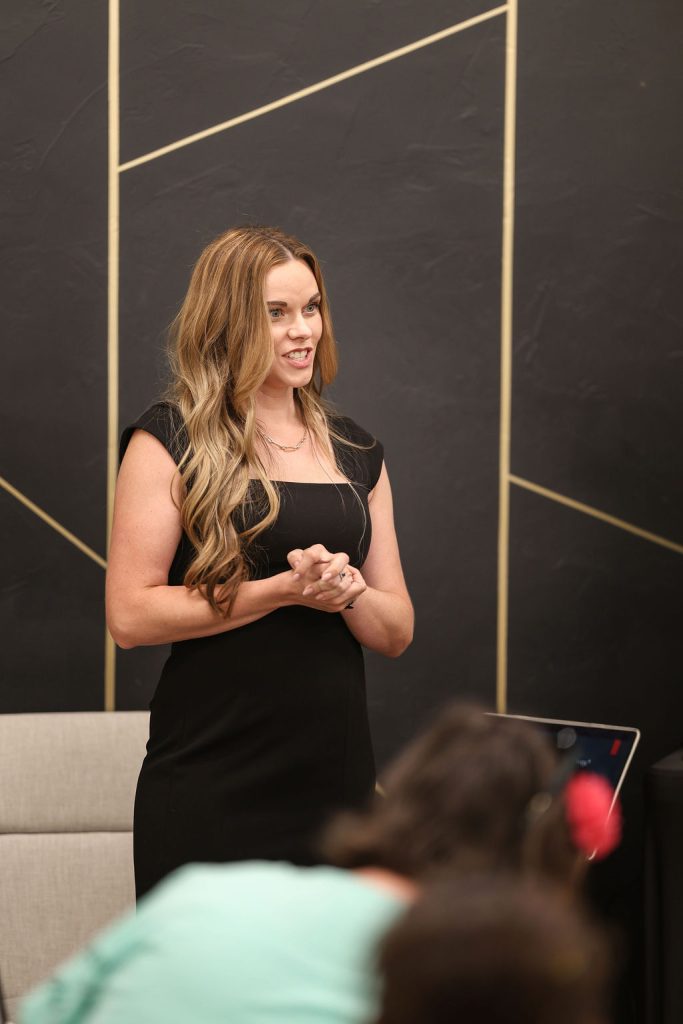
Medical director
Stephany leads hormone, thyroid and lab-based care for hair thinning, and refers to dermatology when a scalp condition needs a specialist.
Real reviews
★★★★★
“…She really listens and doesn’t dismiss any concerns. I felt validated despite other doctors saying my hormones levels weren’t off enough to do anything about even though I was having so many symptoms saying otherwise… Her labs are pretty comprehensive and really gave me a better picture of my health and what we could do to improve it.”
Madison S. · Google review
★★★★★
“From the very first session I felt seen. Stephany listens. She doesn’t dismiss what you’re feeling. She takes the time to find answers and then comes back with a plan and a real explanation so you actually understand what’s going on.”
Simona C. · Google review
★★★★★
“I came to her for bioidentical hormones. I have been super impressed with her process. She takes regular labs to keep close watch on how my body is responding to the hormones and makes small adjustments each month to get me dialed in to my optimal levels.”
Melanie A. · Google review
Your questions, answered
Can hormones cause hair loss?
Yes. Pregnancy, childbirth, menopause and thyroid problems can all thin hair (Mayo Clinic), and androgens like DHT play a key role in pattern hair loss (MedlinePlus). Labs help us see which, if any, apply to you.
Will testosterone therapy make me lose my hair?
It can in some men. Male pattern baldness is listed as a possible side effect on testosterone's prescribing information (FDA label), and your body converts some testosterone into DHT (Cleveland Clinic). If you're already thinning or it runs in your family, we'll weigh that honestly with you before starting TRT.
What labs do you check for hair loss?
Depending on your symptoms, we look at thyroid, iron and ferritin, vitamin D and hormone levels as part of our comprehensive LabCorp panel. These are the kinds of tests commonly used to look for causes of hair loss (Cleveland Clinic).
Does hormone therapy regrow hair?
Hormone therapy isn't FDA-approved to treat hair loss, so we won't promise it. When hormones or thyroid are part of the cause, treating them may help. For pattern hair loss, minoxidil is the most-recommended treatment (AAD), and we can prescribe it. Our most popular in-office treatment is microneedling with PDGF.
Will my hair grow back after having a baby?
Usually, yes. Most women see their hair return to normal fullness by their child's first birthday. If it hasn't by then, something else may be going on (AAD), and labs and postpartum support can help.
How much does a hair loss evaluation cost in American Fork?
Your first consultation is complimentary. If labs make sense, our comprehensive LabCorp panel is $400. We don't bill insurance, but we can give you a superbill to submit yourself. See our price guide for more.
Where can I get help for hair loss near American Fork?
Epiphany Clinic is at 119 S Pacific Dr, Suite 102, American Fork, UT 84003, a short drive from Lehi, Pleasant Grove, Highland, Alpine, Cedar Hills, Saratoga Springs and Orem.
This page was medically reviewed by Stephany Reese, APRN, FNP-C, medical director of Epiphany Clinic, in October 2026. It's for education and isn't a substitute for a personal consultation.
Ready when you are
We'll listen to your whole story, check the labs that matter and give you an honest plan, including a dermatology referral if that's the better path. No pressure, ever.
Prefer ongoing support? Hormone memberships include prescription refills, Primary Care Lite and 24/7 text support. Explore memberships →