Home › What We Treat › Poor sleep
Lying awake at 3 a.m., or waking up soaked and kicking off the covers? You're not alone, and it's not all in your head. We'll look at the hormone and health reasons behind your sleep and build a plan to help you rest again.
✓ Complimentary consult
✓ Comprehensive labs
✓ Care for women & men
Medically reviewed by Stephany Reese, APRN, FNP-C, medical director · Updated October 2026

Stephany Reese, APRN, FNP-C
Medical director
The short answer
For many women in their 40s and 50s, hormones are a big part of it. Night sweats and the ups and downs of perimenopause and menopause can wake you up again and again. In men, short sleep and low testosterone often go together. Stress, thyroid problems and sleep apnea are other common causes. If night sweats are waking you, hormone therapy for women or perimenopause hormone therapy is often the most effective fix, and men can be checked for low testosterone. We start by finding your cause.
Understanding your sleep
Bad nights usually have more than one cause. Knowing which ones apply to you helps us choose treatment that actually works.
Night sweats are hot flashes that happen during sleep, and they can lead to sleep and mood problems (The Menopause Society).
Estrogen and progesterone rise and fall in perimenopause. Trouble sleeping is often due to night sweats, but not always (Mayo Clinic).
Short sleep can lower testosterone (UChicago Medicine), and low T can sap energy and mood (Mayo Clinic). See hormone therapy for men.
Loud snoring, pauses in breathing, waking up gasping and heavy daytime sleepiness are common signs (Mayo Clinic). It needs a sleep study.
An overactive thyroid can cause sleep problems, sweating, nervousness and a fast heartbeat (Mayo Clinic).
Caffeine, nicotine and alcohol can all disrupt sleep (Mayo Clinic), and alcohol, caffeine and spicy foods can trigger hot flashes (The Menopause Society).
Know the clues
Both can leave you exhausted, but they need different care. Sleep apnea is a breathing problem during sleep, and its risk rises in women after menopause (Mayo Clinic). Many people have more than one cause.
Often hormone-related
Possible sleep apnea
What wakes you
Feeling hot and sweaty, or suddenly wide awake
Gasping or choking; a partner hears loud snoring or pauses in your breathing
Daytime signs
Tired, moody or foggy after broken sleep; hot flashes during the day; changing periods
Very sleepy during the day, morning headaches, dry mouth or sore throat when you wake up
Who it's common in
Women in perimenopause and menopause
Men, people carrying extra weight, and women after menopause
What helps
Hormone therapy, a cool bedroom, avoiding hot flash triggers
A sleep study and treatment from a sleep doctor; weight loss can help
You can have both. If you snore loudly or wake up gasping, please get a sleep study, especially before starting testosterone, which can make sleep apnea worse.
Your options
We match treatment to the reason you're not sleeping. Here's what each option does best, based on leading medical sources.
Best for: night sweats and hot flashes that wake you up
Hormone therapy is FDA-approved as a first-line treatment for hot flashes and is the most effective option (The Menopause Society). For healthy women under 60 or within 10 years of menopause, benefits generally outweigh risks (Menopause Society position statement).
Best for: late 30s–40s with changing cycles and broken sleep
In a trial of 189 women in perimenopause, bedtime progesterone improved sleep quality compared with a placebo, though its effect on overall hot flash scores was not clear (Scientific Reports).
Best for: men with confirmed low T plus low energy
Testosterone isn't a sleep treatment, and it can make sleep apnea worse (Mayo Clinic). Sleep apnea should be ruled out or treated, and then we treat confirmed low T for how you feel.
Best for: poor sleep with sweating, a racing heart or nervousness
These can be signs of an overactive thyroid (Mayo Clinic). Labs show whether your thyroid is part of the problem, and we'll treat it or refer you as needed.
Best for: new moms whose sleep, mood and energy haven't bounced back
Postpartum thyroiditis affects about 5–10% of women and can cause fatigue and depression that are easy to blame on a new baby (American Thyroid Association).
Best for: snoring or sleep apnea along with extra weight
A name-brand version of tirzepatide is FDA-approved for moderate to severe obstructive sleep apnea in adults with obesity, along with diet and exercise (FDA). Compounded versions are not FDA-approved. GLP-1 care works alongside a sleep doctor, not instead of one.
When it's not just hormones
See a doctor if your snoring is loud enough to wake others, your breathing stops or you gasp in your sleep, or you're very sleepy during the day (Mayo Clinic). Night sweats that come with fever, weight loss, pain in one area, cough or diarrhea, or that start months or years after menopause symptoms ended, also need a checkup (Mayo Clinic). For long-term insomnia, CBT-I is usually the first treatment (Mayo Clinic).
Night sweats can come from infections, medicines and other illnesses, not just hormones. If your symptoms don't fit the hormone picture, we'll refer you to your primary care doctor or a sleep specialist. Getting the right answer matters more than starting a prescription.
Better nights
Go to bed and get up at the same time every day, including weekends (Mayo Clinic).
Keep your room cool, dark and quiet (Mayo Clinic). Light layers and a fan can help when night sweats hit.
Alcohol, caffeine, spicy foods and smoking can make hot flashes worse (The Menopause Society).
Regular physical activity can help you sleep better (CDC). Just avoid hard workouts close to bedtime (Mayo Clinic).
Your care team
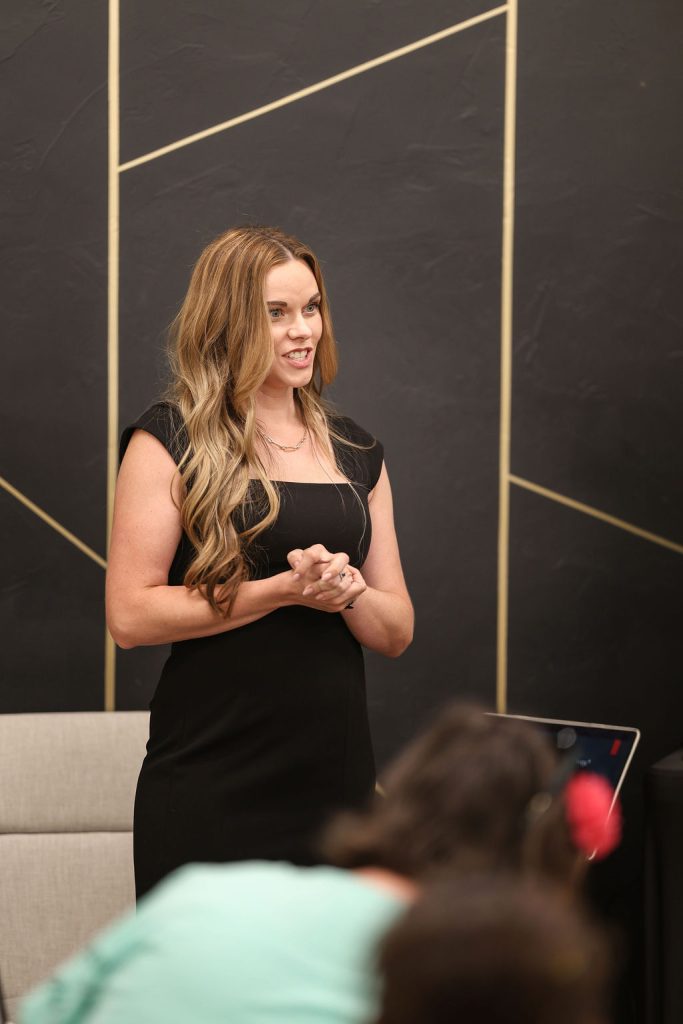
Medical director
Oversees every treatment and leads hormone therapy. Master's in Nursing, University of Cincinnati; Chair, Aesthetic Safety Network (Utah).
Real reviews
★★★★★
“I’ve been on HRT for about three months and immediately started sleeping through the night and hot flashes gone. Feel better overall.”
Monica C. · Google review
★★★★★
“I felt like I had been running on fumes for two years, sleeping only about four hours a night, and I didn’t recognize myself anymore… Because of her care I’ve gotten my sleep back…”
Simona C. · Google review
★★★★★
“I’ve been doing hormone therapy with Epiphany clinic the last six months. I’ve noticed a big difference in my energy levels, sleep quality…”
Brett M. · Google review
Your questions, answered
Can hormones cause insomnia?
Yes. Hormone changes during the menstrual cycle and menopause can affect sleep, and night sweats and hot flashes often disrupt it (Mayo Clinic). Insomnia that lasts three months or longer is considered chronic and is worth getting checked.
Will hormone therapy stop my night sweats?
For most women it's the most effective treatment for hot flashes and night sweats (The Menopause Society). It isn't right for everyone, and non-hormone options exist. We'll go over your health history and help you decide.
Does progesterone help you sleep?
It may. In a 2023 trial, women in perimenopause who took progesterone at bedtime reported better sleep quality than those on a placebo (Scientific Reports). Progesterone is part of our perimenopause, postpartum and menopause protocols when your symptoms and labs call for it.
Can low testosterone affect sleep in men?
Sleep and testosterone are linked. Even one week of short sleep lowered testosterone in young men (UChicago Medicine). Testosterone can make sleep apnea worse, so loud snoring should be checked before or during TRT.
Should I just take a sleeping pill?
Doctors generally don't recommend relying on prescription sleeping pills for more than a few weeks. They can cause daytime grogginess, raise the risk of falls and be habit-forming (Mayo Clinic). It's better to find and treat the cause.
How much does sleep and night sweat treatment cost in American Fork?
Your consultation is complimentary. Comprehensive labs at LabCorp are $400. We don't bill insurance, but we can give you a superbill to submit yourself. See our price guide for treatment pricing.
Where can I get help for night sweats near American Fork?
Epiphany Clinic is at 119 S Pacific Dr, Suite 102, American Fork, UT 84003, a short drive from Lehi, Pleasant Grove, Highland, Alpine, Cedar Hills, Saratoga Springs and Orem. We're open Monday and Friday 9–5 and Tuesday–Thursday 10–6, with evenings and Saturdays by appointment. Call or text (801) 477-7294.
This page was medically reviewed by Stephany Reese, APRN, FNP-C, medical director of Epiphany Clinic, in October 2026. It's for education and isn't a substitute for a personal consultation.
Ready when you are
Tell us what your nights look like. We'll listen, order the right labs and build a plan to help you sleep again. No pressure, ever.
Prefer ongoing support? Hormone memberships include prescription refills, Primary Care Lite and 24/7 text support. Explore memberships →